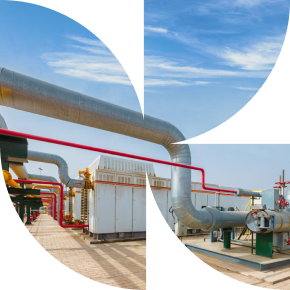
Scrubbers are devices used to remove pollutants from industrial exhaust streams, particularly gases like sulfur oxides (SOx), nitrogen oxides (NOx), and volatile organic compounds (VOCs), as well as particulate matter. These pollutants are often released during combustion processes in industries such as power generation, cement manufacturing, chemical production, and metal refining. If left untreated, they can contribute to serious environmental issues such as acid rain, smog, and climate change, as well as health problems like respiratory illnesses.
Scrubbers come in various forms, but they are generally categorized into two main types: wet scrubbers and dry scrubbers. Each type is suited for different kinds of pollutants and industrial applications.
Wet Scrubbers
Wet scrubbers are one of the most common types of scrubbers used in industrial applications. They work by passing the exhaust gases through a liquid, typically water or a chemical solution, which absorbs or neutralizes the pollutants. This method is particularly effective for removing sulfur dioxide (SO2) and other acidic gases, as well as particulate matter.
In a wet scrubber, the polluted gas stream enters a chamber where it comes into contact with the scrubbing liquid. The pollutants are absorbed into the liquid, and the clean air is released back into the atmosphere. The liquid containing the absorbed pollutants is then treated or disposed of, depending on the specific system and the nature of the pollutants.
Wet scrubbers offer several advantages:
High Efficiency: Wet scrubbers are highly effective at removing both gases and particulate matter, achieving removal efficiencies of up to 99% for certain pollutants.
Versatility: They can handle a wide range of pollutants, making them suitable for many different industries.
Cooling Effect: Wet scrubbers can also cool the gas stream, reducing the temperature of the exhaust gases.
However, wet scrubbers require the management of liquid waste, which must be treated to prevent secondary environmental issues.
Dry Scrubbers
Dry scrubbers, on the other hand, do not use liquids to remove pollutants. Instead, they rely on a dry reagent, such as lime or sodium bicarbonate, which reacts with the pollutants in the gas stream and neutralizes them. The resulting compounds are then captured and removed as solid waste, which can be disposed of or, in some cases, repurposed.
Dry scrubbers are particularly useful in situations where water conservation is important or where liquid disposal is problematic. They are often used in industries where sulfur dioxide (SO2) emissions need to be controlled, such as coal-fired power plants.
Key benefits of dry scrubbers include:
Water-Free Operation: Since dry scrubbers do not use water, they are ideal for areas with water scarcity or for industries looking to minimize water consumption.
Lower Operating Costs: Dry scrubbers generally have lower operational costs compared to wet scrubbers, particularly in terms of wastewater treatment and disposal.
Compact Design: These systems tend to have a smaller footprint, making them easier to install in facilities with space constraints.
Scrubber Solutions for Different Industries
At Aayush Corporation, we understand that each industry has unique needs when it comes to air pollution control. That’s why we offer scrubber solutions that are customized to meet the specific requirements of our clients. Whether your operation involves heavy-duty emissions from power plants or chemical processes, we provide solutions that optimize performance, efficiency, and compliance with environmental regulations.
Our team of experts works closely with clients to assess their specific pollution control needs and design scrubber systems that deliver maximum efficiency. From initial system design and installation to ongoing maintenance and optimization, we ensure that our scrubbers continue to perform at peak levels, helping industries reduce their emissions and enhance their sustainability efforts.
Compliance with Environmental Regulations
In an era of increasingly stringent environmental regulations, industries are under pressure to minimize their emissions and adopt sustainable practices. Failure to comply with air quality standards can result in hefty fines, operational shutdowns, and reputational damage.
Aayush Corporation’s scrubber systems are designed with regulatory compliance in mind. Our solutions ensure that clients meet local and international environmental standards, safeguarding their operations from potential regulatory issues. By using advanced scrubbing technologies, we help businesses reduce pollutants such as sulfur oxides (SOx), nitrogen oxides (NOx), and particulate matter, ensuring cleaner emissions and a smaller environmental footprint.
Environmental and Economic Benefits
Beyond regulatory compliance, scrubbers provide significant environmental and economic benefits. By reducing emissions, industries contribute to cleaner air, improved public health, and reduced environmental degradation. This not only helps industries demonstrate their commitment to sustainability but also enhances their corporate image in an era where consumers and investors increasingly prioritize eco-friendly practices.
Conclusion
Scrubbers play a vital role in helping industries control air pollution, reduce emissions, and comply with environmental regulations. Aayush Corporation’s advanced scrubber systems, including both wet and dry scrubbers, are designed to meet the specific needs of various industries while promoting cleaner air and enhancing sustainability.
Prepare Documentation
Brand Consistency
Quality Control System
Industry Standard Dummy
Brand Consistency
Quality Control System
We are always ready to help you and answer your questions