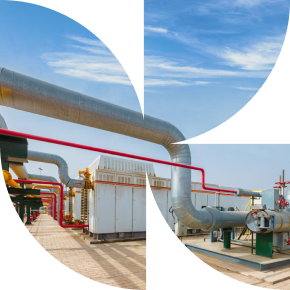
Understanding the Importance of Air Pollution Control
Industrial processes often release harmful pollutants into the atmosphere, including particulate matter, volatile organic compounds (VOCs), sulfur oxides (SOx), nitrogen oxides (NOx), and hazardous air pollutants (HAPs). If left uncontrolled, these emissions can degrade air quality, harm public health, and contribute to environmental problems like acid rain, smog formation, and climate change. Implementing effective air pollution control measures is not only essential for regulatory compliance but also a key element of corporate responsibility and sustainability.
At Aayush Corporation, we specialize in delivering comprehensive Air Pollution Control solutions that are designed to address the unique challenges faced by industries in reducing emissions and protecting air quality.
Our Advanced Air Pollution Control Technologies
To effectively control industrial emissions, we employ a range of cutting-edge technologies that are customized to suit the specific needs of our clients. Our solutions include:
Scrubbers: Scrubbers are highly effective in removing particulates and gaseous pollutants from industrial exhaust streams. We offer both wet and dry scrubbers, depending on the type of pollutants being treated. Wet scrubbers use a liquid, typically water, to capture and neutralize pollutants, while dry scrubbers use solid materials, like activated carbon or limestone, to absorb and react with contaminants. These systems are particularly useful in industries with high levels of sulfur dioxide (SO2) and other acidic gases.
Electrostatic Precipitators (ESPs): ESPs are commonly used in power plants and cement factories to remove fine particulate matter from flue gases. This technology works by charging airborne particles as they pass through an electrical field, causing them to adhere to collection plates. Once captured, these particulates can be removed and disposed of safely. ESPs are highly efficient, capable of removing over 99% of particulate matter from exhaust streams.
Bag Filters (Baghouses): Bag filters, or baghouses, are another essential technology for capturing particulate matter. In this system, polluted air is passed through fabric filter bags that trap particulates while allowing clean air to exit. Bag filters are particularly effective in industries with large amounts of dust, such as cement, steel, and mining operations. They are known for their high filtration efficiency and ability to handle high-volume airflows.
By integrating these technologies into industrial operations, Aayush Corporation helps clients significantly reduce emissions and improve air quality.
Regulatory Compliance and Sustainability
In today’s regulatory landscape, industries are under increasing pressure to meet stringent air quality standards. Governments around the world are implementing more rigorous emission limits to protect the environment and public health. Non-compliance with these regulations can result in substantial fines, operational shutdowns, and reputational damage.
Aayush Corporation’s Air Pollution Control solutions are designed with full compliance in mind. We ensure that our systems meet or exceed local and international environmental standards, allowing our clients to operate confidently and avoid regulatory risks. Beyond compliance, our solutions contribute to the broader goal of sustainability by helping industries minimize their environmental impact, reduce their carbon footprint, and foster a commitment to clean energy.
The Environmental and Economic Benefits of Air Pollution Control
Implementing effective Air Pollution Control systems offers numerous benefits beyond regulatory compliance. First and foremost, these solutions play a critical role in safeguarding public health by reducing exposure to harmful pollutants. Cleaner air leads to lower rates of respiratory illnesses, cardiovascular diseases, and other pollution-related health issues in surrounding communities.
From an economic standpoint, investing in Air Pollution Control technologies can enhance operational efficiency by improving process performance and reducing downtime caused by excessive emissions. Additionally, industries that adopt sustainable practices, such as reducing air pollution, can strengthen their corporate reputation, attract eco-conscious consumers, and even qualify for government incentives.
Customized Solutions for Diverse Industries
At Aayush Corporation, we understand that each industry has its own set of challenges when it comes to air pollution control. That’s why we offer customized solutions to the specific needs of our clients. Whether you’re in the power generation, chemical processing, cement manufacturing, or steel production sectors, we have the expertise to design and implement an Air Pollution Control system that aligns with your operational goals and environmental objectives.
Our team of experienced engineers and environmental specialists work closely with clients to assess their needs, identify potential emission sources, and develop comprehensive strategies for pollution reduction. We provide end-to-end services, from initial design and installation to ongoing maintenance and optimization.
Conclusion
Air pollution control is essential for industries aiming to reduce their environmental footprint, comply with regulatory standards, and contribute to a healthier ecosystem. Aayush Corporation’s advanced Air Pollution Control solutions, including scrubbers, electrostatic precipitators, and bag filters, are designed to minimize emissions and enhance air quality across a wide range of industrial operations.
By choosing Aayush Corporation, industries not only protect public health and the environment but also position themselves as leaders in sustainability and responsible corporate citizenship.
Prepare Documentation
Brand Consistency
Quality Control System
Industry Standard Dummy
Brand Consistency
Quality Control System
We are always ready to help you and answer your questions