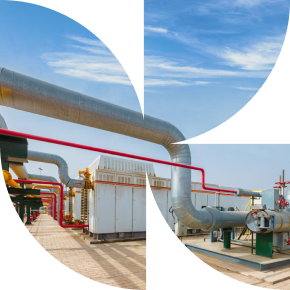
A biomass-fired boiler is a system that generates steam or power by burning biomass, which refers to organic materials derived from plants and animals. Biomass fuels typically include agricultural residues like straw and rice husks, forestry byproducts like wood chips and sawdust, and other organic waste materials. These boilers are designed to burn biomass efficiently, producing high-pressure steam or electricity for various industrial applications, such as manufacturing, processing, and heating.
The use of biomass as a fuel source makes these boilers highly sustainable. Since biomass can be replenished within short cycles, unlike fossil fuels, it provides a renewable energy source that supports a circular economy. Additionally, biomass combustion is considered carbon-neutral, as the carbon dioxide (CO2) released during the process is offset by the CO2 absorbed by plants during their growth phase.
How Biomass-Fired Boilers Work
Biomass-fired boilers operate similarly to traditional boilers, but they are specifically designed to handle the combustion of biomass fuels. The system includes several key components:
Fuel Feed System: Biomass materials are fed into the combustion chamber using a feed system that is optimized for the specific type of fuel, ensuring consistent and efficient burning.
Combustion Chamber: In this chamber, biomass is burned at high temperatures to produce heat energy, which is then transferred to the water circulating in the boiler.
Heat Exchanger: The heat generated from the combustion process is used to heat water in the boiler, turning it into high-pressure steam.
Steam Generation: The steam produced can either be used for industrial heating purposes or fed into a turbine to generate electricity.
Emission Control Systems: Modern biomass boilers are equipped with advanced emission control systems that help reduce pollutants and ensure compliance with environmental regulations.
Benefits of Biomass-Fired Boilers
A biomass-fired boiler offers several significant advantages for industries looking to improve their energy efficiency and reduce their environmental impact:
Reduction of Carbon Emissions Biomass combustion emits fewer greenhouse gases compared to fossil fuels like coal and natural gas. Since biomass is carbon-neutral, the CO2 released during combustion is balanced by the CO2 absorbed during the growth of the plants or organic materials used. This leads to a substantial reduction in overall carbon emissions, helping industries meet environmental targets and sustainability goals.
Cost-Effective Fuel Source Biomass fuels are often less expensive than traditional fossil fuels, especially in regions where agricultural and forestry waste is abundant. This lower cost of fuel can lead to significant savings for industries that switch to biomass-fired boilers. Additionally, industries that produce their own organic waste can use it as fuel, further reducing operational costs.
Energy Independence and Security Using locally sourced biomass for energy generation helps industries reduce their dependence on imported fossil fuels. This enhances energy security and provides stability in fuel supply, particularly in regions where fossil fuel prices are volatile or where supply chains are disrupted.
Sustainability and Waste Management Biomass-fired boilers contribute to sustainability by turning waste into energy. Agricultural residues, wood waste, and other organic materials that would otherwise be discarded are utilized as fuel, promoting waste-to-energy solutions. This not only reduces the amount of waste going to landfills but also helps companies adopt more sustainable business practices.
Versatile and Scalable Solutions Biomass-fired boilers can be customized to meet the specific needs of different industries, from small-scale operations to large industrial plants. They are capable of providing both steam and power, offering flexibility for industries that require different energy solutions. Whether it’s generating electricity or producing steam for industrial processes, these systems can be scaled to suit various applications.
Industries Benefiting from Biomass-Fired Boilers
Several industries can benefit from the implementation of biomass-fired boilers, including:
Agriculture: Farmers and agribusinesses can use agricultural residues, such as straw and corn stalks, to power their operations, reducing waste disposal costs and lowering energy expenses.
Forestry: The forestry sector can utilize wood chips, sawdust, and other wood waste as fuel for biomass boilers, contributing to a sustainable energy cycle.
Food Processing: Food processing plants can convert organic waste into biomass fuel, allowing them to generate their own power and reduce reliance on external energy sources.
Contributing to a Greener Future
At Aayush Corporation, our biomass-fired boilers are a key component of our commitment to providing sustainable energy solutions. By harnessing the power of renewable biomass fuels, we help industries reduce their carbon footprint and improve their energy efficiency. Our biomass-fired systems not only offer an eco-friendly alternative to fossil fuels but also support waste management and resource optimization.
These systems are designed with efficiency and environmental responsibility in mind, helping industries transition toward cleaner energy solutions while enjoying cost savings and operational reliability. Whether you’re looking to reduce emissions, lower fuel costs, or enhance your sustainability efforts, Aayush Corporation’s biomass-fired boilers are an ideal solution for achieving your energy and environmental goals.
Prepare Documentation
Brand Consistency
Quality Control System
Industry Standard Dummy
Brand Consistency
Quality Control System
We are always ready to help you and answer your questions