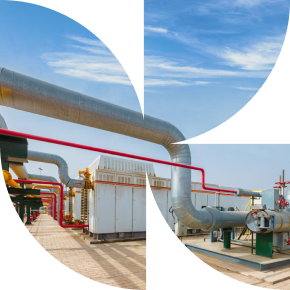
Biogas CNG is a form of renewable energy derived from the anaerobic digestion of organic waste, including food scraps, animal manure, crop residues, and sewage. Anaerobic digestion is a process by which microorganisms break down organic materials in the absence of oxygen, resulting in the production of biogas—a mixture primarily consisting of methane (CH4) and carbon dioxide (CO2).
This biogas is then purified to remove impurities, including CO2, water vapor, and trace gases, resulting in high-purity methane gas. After purification, the methane is compressed into CNG, which can be used as a substitute for conventional fossil fuels. Biogas CNG is ideal for a wide range of applications, from fueling vehicles to generating electricity or heat for industrial operations.
The Anaerobic Digestion Process
The anaerobic digestion process involves the decomposition of organic waste in specially designed, oxygen-free environments. This process occurs in three main stages:
Hydrolysis – Organic polymers, such as carbohydrates, fats, and proteins, are broken down into smaller molecules.
Acidogenesis – The smaller molecules are converted into volatile fatty acids, alcohols, hydrogen, and carbon dioxide.
Methanogenesis – Methanogenic bacteria convert the volatile fatty acids into methane and carbon dioxide, producing biogas.
This process not only creates biogas but also leaves behind a nutrient-rich digestate, which can be used as a natural fertilizer, further supporting sustainable practices.
Benefits of Biogas CNG Solutions
Biogas CNG offers numerous environmental and economic advantages over traditional fossil fuels, including:
Renewable and Sustainable Energy Source Biogas CNG is derived from organic waste materials that are replenishable, making it a sustainable energy source. This contrasts with fossil fuels like coal, oil, and natural gas, which take millions of years to form and are being depleted at a rapid pace. By using organic waste that is otherwise discarded, Aayush Corporation’s biogas systems contribute to a circular economy.
Reduction of Greenhouse Gas Emissions Using biogas as a fuel source helps reduce the release of methane, a potent greenhouse gas, from landfills and agricultural operations. By capturing methane and converting it into CNG, industries can significantly cut their emissions, thus contributing to global climate change mitigation efforts. Furthermore, burning biogas CNG produces fewer emissions than conventional fossil fuels, making it a cleaner and more sustainable energy option.
Waste Management and Resource Efficiency Biogas CNG systems enable industries to convert waste materials into a valuable resource. By diverting organic waste from landfills and processing it into clean energy, companies can address waste management challenges while simultaneously reducing disposal costs. This results in efficient waste-to-energy processes that promote sustainability and resource optimization.
Cost Savings For industries with access to abundant organic waste materials, biogas CNG solutions offer considerable cost savings. Since biogas is locally produced, it reduces reliance on imported fossil fuels, leading to lower fuel costs and increased energy independence. Additionally, governments often provide financial incentives or subsidies for adopting renewable energy technologies, further enhancing the cost-effectiveness of biogas CNG systems.
Versatile Applications Biogas CNG is a highly versatile energy source that can be used across various sectors. It can power vehicles, generate electricity, or provide heat for industrial processes. This flexibility allows industries to customize their energy use based on their specific needs. Additionally, biogas CNG can be injected into natural gas pipelines, expanding its distribution and use on a broader scale.
Industries Benefiting from Biogas CNG
A variety of industries can benefit from Aayush Corporation’s Biogas CNG solutions, including:
Agriculture: Farmers can process animal manure, crop residues, and food waste to generate biogas CNG, reducing their energy costs and waste disposal issues.
Municipalities: Cities and municipalities can utilize biogas from organic waste streams such as sewage sludge, food waste, and yard trimmings to fuel public transport or provide energy for community facilities.
Food Processing: The food industry can convert organic byproducts into biogas CNG, promoting sustainable practices and lowering energy expenses.
Supporting a Greener Future
Aayush Corporation’s Biogas CNG Solutions represent a significant step forward in sustainable energy development. By transforming organic waste into clean, renewable energy, these systems contribute to the reduction of greenhouse gas emissions and minimize waste, creating an eco-friendly alternative to fossil fuels. In addition to environmental benefits, industries adopting biogas CNG can achieve greater energy efficiency, cost savings, and compliance with increasingly stringent environmental regulations.
Prepare Documentation
Brand Consistency
Quality Control System
Industry Standard Dummy
Brand Consistency
Quality Control System
We are always ready to help you and answer your questions